Streatham Man And Van for household, flat and office moves

Streatham Man And Van provides a practical moving service in Streatham for people who need help shifting furniture, boxed belongings and everyday contents without booking a full-size removal operation. The focus is on straightforward transport with loading support, so the work suits smaller homes, partial moves, single-item collections and local relocations where flexibility matters. It is designed to help with the move itself while keeping the process clear and manageable.
Our service can cover home moves, item collection, short-notice transport and support for light office relocations, depending on the job size and access conditions. If you are comparing options, it can help to think first about volume, stairs, parking and how much handling is needed at each end. Preparing a precise outline of the load usually makes it easier to request an accurate quotation and to choose the right vehicle and crew size.
To get started, you can request a quotation in plain English and describe what needs moving, where it is going and whether there are any bulky or fragile items. If you already know the date and the collection points, include those details too. For a fuller overview of how the work is organised, see removal services.
Home moves and general removals
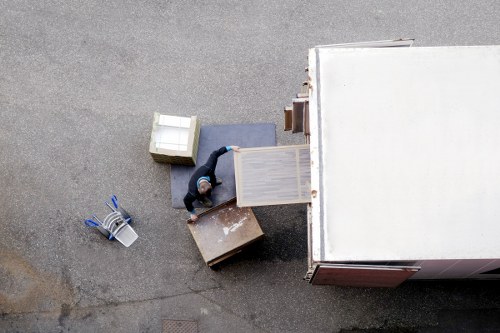
Household removals often need a balance of care, pace and organisation rather than a one-size-fits-all approach. A smaller moving job may involve a few rooms’ worth of furniture and boxes, while a larger one can include wardrobes, appliances, mattresses and awkward items that need two people to lift safely. The service is suitable when you want help with the heavy carrying and transport, but do not need a highly complex relocation package.
When planning a domestic move, it helps to separate items by room and to identify anything that needs special handling, such as glass, mirrors, antiques or valuable electronics. Clear access details are especially useful if there are narrow staircases, limited parking or long carries from the property to the vehicle. If you want to compare domestic options, the page on home moves explains that type of move in more detail.
For many customers, the key decision is whether the job is best handled as a direct point-to-point transfer or as a broader removal with loading and unloading support. A practical quote should reflect the likely time on site, the amount of lifting, the distance travelled and whether dismantling or reassembly is needed. If you are ready to review related moving options, house removals may also be useful.
Furniture, single items and smaller load collections

Not every move involves an entire property. Some customers only need help with one sofa, a bed frame, a wardrobe or a mixed load of items bought second-hand or moving between addresses. In those cases, a man and van arrangement can be a cost-conscious way to move goods that would be awkward in a car but do not justify a large truck. It can also suit part-load moves where the volume is modest yet too heavy for a standard passenger vehicle.
For these jobs, access and handling are usually more important than the distance alone. A heavy sideboard, for example, may require two-person lifting, protective wrapping or a slower route through the property. If the item needs to be collected from stairs, a basement or a top-floor flat, it is worth saying so early. You can also look at furniture pick-up if the job is focused on a single collection rather than a full move.
Good preparation does not need to be complicated. Measure the larger pieces, note whether they dismantle, and keep doors, paths and parking details in mind. Those small points can make the moving plan far more efficient and reduce the chance of delay when the vehicle arrives. If the load includes several loose items rather than one piece, the page for man and van removals gives a broader service view.
Office moves and commercial relocation support
Small office moves call for an organised, low-disruption approach. Desks, chairs, filing cabinets, monitors and boxed paperwork all need to be moved in a way that keeps them identifiable and reduces the chance of damage. A man and van service can be well suited to lighter commercial work where the relocation is important but the scale is still manageable and the client wants direct, flexible transport support.
For offices and workspaces, the most useful information is usually what needs to go first, what must stay accessible until the end, and whether there are any fragile items or awkward access points. A simple sequence can make unloading easier at the destination, especially if the premises are shared or the move must fit around trading hours. More detail on this type of work is available on office removals.
Packing, protection and handling choices

Packing can change the shape of a move quite a lot. Some customers only need transport, while others want help with boxes, wrap, blankets or careful placement of items in the van. The right level of packing depends on the contents and on how much protection the items need in transit. Delicate belongings may benefit from extra wrapping, while sturdy boxed goods may only need sensible stacking and restraint.
When planning any removal, it is useful to think about what should be packed first, what should stay out until the day of the move and what can be carried as a final load. That may include bedding, kitchen items, documents or small valuables. If you are comparing support options, the page for packing and unpacking services sets out this kind of assistance more clearly.
A clear packing plan also helps when the move includes mixed items rather than one obvious load. For example, some goods may be ready in cartons while other items still need protecting or grouping together. Keeping the transport area organised can reduce handling time and help the unloading sequence run smoothly at the destination. That is often especially helpful where access is tight or the route through the property is shared with neighbours.
Planning your move and what affects the quotation
Quotation details are usually easier to assemble when the move has a simple structure. The main factors are the approximate volume of items, the journey length, the amount of lifting, and whether the job needs extra handling for bulky or delicate pieces. Stairs, waiting time, parking restrictions and the need to move items by hand over a longer distance can all affect the time required, so it is better to mention those points early rather than later.
A useful enquiry normally includes the collection and delivery areas, the type of property, the kind of items involved and the preferred date or time window. If you are able to list any items that are especially heavy, fragile or awkward, that helps shape a more realistic plan. For general pricing information before you enquire, visit pricing and quotes.
Two simple steps can make the process smoother: group the main items together so they are easy to describe, and check whether anything needs dismantling before collection. It is also sensible to think about access at both ends, including lifts, stairwells and parking. Request a quotation when you have those basics to hand, and keep the description focused on the actual work rather than on guesswork about timings.
About Streatham
Streatham is a district in south London within the London Borough of Lambeth, stretching along the busy Streatham Hill and Streatham High Road corridor. The area developed significantly in the nineteenth and early twentieth centuries as rail links improved and the road network supported suburban growth. Its long main road still gives Streatham a clear through-line, with retail frontages, community facilities and residential streets spreading out on either side. The open spaces of Streatham Common and Tooting Bec Common are among the best-known local green areas, providing broad grassland, mature trees and paths that create a strong contrast with the denser built-up streets nearby. Streatham has a mixed architectural character, with Victorian and Edwardian terraces alongside later infill blocks and modern development. The South London context is visible in the variety of housing styles, local churches, schools and neighbourhood facilities that have accumulated over time. Transport has also shaped the district, with rail stations helping connect it to central London and other parts of the city, while bus routes and major roads keep it active and well used. The area has a lively everyday identity rather than a single landmark focus, and that comes through in its shops, pubs, cafés, parks and community venues. Streatham’s appeal lies partly in that blend of urban activity and accessible open space, giving the district a practical, lived-in character that has changed through successive waves of development while remaining recognisably itself.
Household removals for flats, terraces and shared properties

Flats and terraced houses often create moving challenges that are different from larger detached homes. Stairwells can be narrow, lifts may be small, and shared entrances require more care when carrying sofas, mattresses or boxed goods. A man and van setup can be useful here because it gives enough transport support for the job without overcomplicating the move. It is often the best fit where the load is moderate, the route is straightforward and the main need is careful lifting and transport.
In shared buildings, good planning can make a noticeable difference. It may help to confirm access arrangements, loading points and any time restrictions before the day of the move. When the route includes communal hallways or upper floors, protecting the surroundings and keeping the load sequence organised can help the job run calmly. If your move is focused on a residential property, the page for house movers may be a useful related reference.
Some customers also prefer to separate essentials from the main load so that important items are easy to find on arrival. That can mean a small box for documents, a bag with day-of-use items or a clearly marked load for the first room to be set up. If you are ready to discuss a domestic move or a smaller relocation, man with van is another relevant page to review before requesting your quotation.
Commercial moves, local transport and scheduled collections
Commercial moving work can range from a single office desk to a compact relocation of furniture, stock or equipment. The important point is that the job remains organised, traceable and suited to the available access. A van-based move is often practical when the client wants transport arranged without committing to a larger-scale removals operation. That can include small businesses, freelancers, short-term storage transfers or local reconfiguration of rooms and supplies.
For business customers, the most helpful planning information is usually the order of items, the need for careful handling and the timing of loading and unloading. If a job includes items that cannot be stacked with other goods, or if there are fragile materials that must be kept separate, that should be noted from the start. A broader overview of this kind of relocation is available on commercial moves.
Whether the work is domestic or business-related, the aim is the same: a safe, sensible transfer that matches the scale of the task. If you already know the collection and delivery points, the number of main items and any access restrictions, you can request a quotation with confidence. A clear description is usually the quickest route to a practical response.
Moving resources, safety and service information
Customers often want to know how a moving service handles risk, care and responsibility. Those topics matter because the job involves lifting, carrying and transport, all of which need sensible organisation. Good moving practice includes planning the load, using suitable equipment where needed and avoiding unnecessary strain on either the items or the people handling them. Where a customer has a particularly delicate or valuable item, it is worth discussing the handling method before the day of the move.
If you are comparing service details beyond the move itself, the website sections on insurance and safety and health and safety policy can help you understand the company’s approach to responsible working. Those pages are not a substitute for a well-described quotation, but they can support the planning stage when you want to know how the move is managed in practice. For general company information, about us may also be helpful.
When you are ready, the most direct next step is to request a quotation based on the actual items, access and route. That keeps the conversation focused on the move itself rather than on assumptions. If you would like to make an enquiry, please visit contact us and send the details of your job.